
Resources
Tools, information, and support to help prevent reckless teen driving and protect families in our communities.
Teen Driving Safety Resources
Essential information for young drivers
Understanding the Risks
- Motor vehicle crashes are the #1 cause of death for teens aged 16-19
- 33% of fatal teen crashes involve speeding (NHTSA 2021)
- 20.6% of Michigan teen fatalities caused by "speed too fast" (2023)
- Teen drivers have crash rates nearly 4 times higher than adults
Safe Driving Principles
- Always obey speed limits and traffic laws
- Never drive distracted, impaired, or while racing
- Wear your seatbelt on every trip, no exceptions
- Limit passengers and avoid nighttime driving when possible
- Understand that driving is a privilege that requires responsibility
Parent Intervention Resources
Tools to help you protect your teen driver
Warning Signs of Reckless Driving
Early intervention can save lives. Watch for these warning signs that a teen may be engaging in dangerous driving behavior:
Traffic Violations
Multiple speeding tickets or other traffic citations
Vehicle Damage
Unexplained dents, scratches, or damage to the vehicle
Excessive Mileage
Driving far more miles than expected or necessary
Social Media Posts
Posting videos or photos of speeding or reckless driving
Peer Reports
Friends or other parents expressing concern about driving behavior
Defensive Attitude
Becoming defensive or secretive when asked about driving
Intervention Steps for Parents
If you notice warning signs, take action immediately. Your intervention could prevent a tragedy.
Have a Direct Conversation
Address your concerns calmly but firmly. Explain the risks and consequences of reckless driving, both legal and physical.
Set Clear Rules and Consequences
Establish specific driving rules and enforce consequences consistently. Consider restricting driving privileges if necessary.
Monitor Driving Behavior
Use technology like GPS tracking, driving apps, or telematics to monitor your teen's driving habits and location.
Model Safe Driving
Your teen learns from your example. Always demonstrate safe, responsible driving behavior yourself.
Seek Professional Help if Needed
If risky behavior continues, consider professional driving courses, counseling, or consulting with law enforcement about intervention programs.
Legislative Information
Understanding the law and advocating for change
The Flynn MacKrell Law
The Flynn MacKrell Law seeks to close a dangerous legal gap by holding parents accountable when they knowingly enable reckless teen driving that results in tragedy.
- Creates accountability for negligent parental supervision
- Encourages parents to intervene when warning signs appear
- Prevents future tragedies through deterrence
How to Advocate
Your voice matters. Here's how you can support legislative reform:
- Contact your state legislators to express support
- Share information about the law on social media
- Attend community meetings and public hearings
- Educate others about the need for reform
Victim Support Resources
Help and support for families affected by tragedy
If your family has been affected by a reckless driving tragedy, you are not alone. These resources can provide support, guidance, and connection with others who understand your experience.
Grief Support
National Alliance for Grieving Children
Resources for children and families experiencing grief
childrengrieve.org
Legal & Advocacy Support
Connect With Us
The Flynn Michael Foundation is here to support families affected by reckless teen driving tragedies. We understand your pain and are committed to preventing others from experiencing similar loss.
Contact Us for SupportMedia & Educational Materials
Downloadable resources to spread awareness
Fact Sheets
Statistics and information about teen driving safety and the Flynn MacKrell Law
Download PDF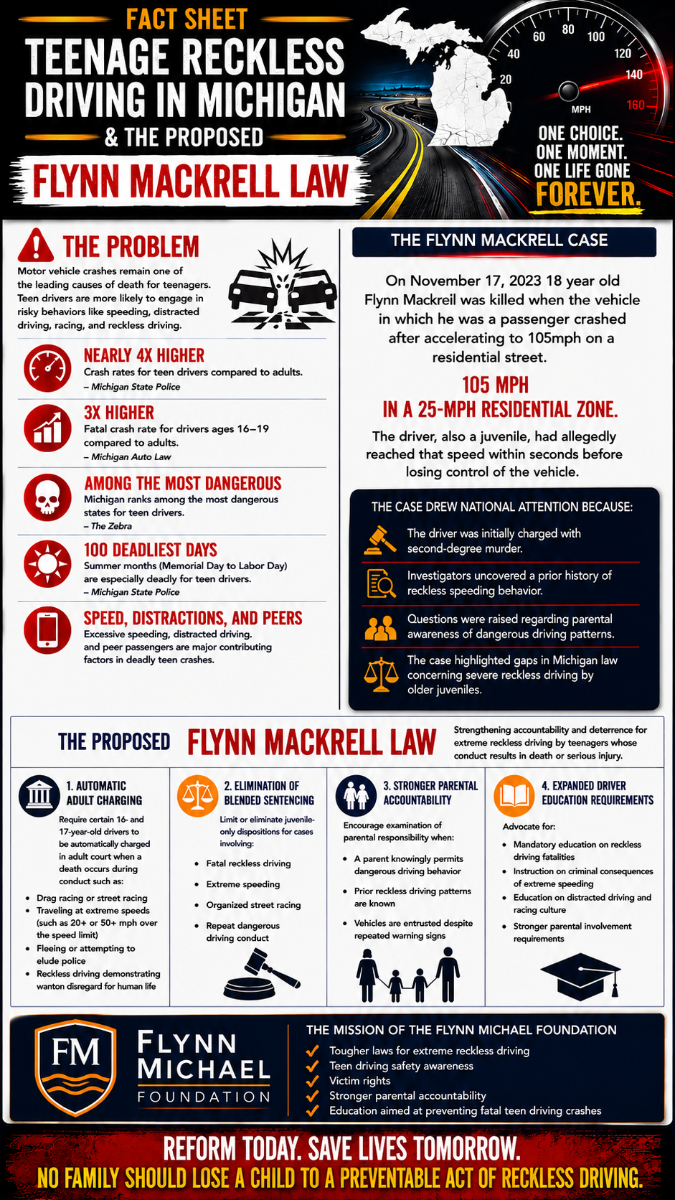
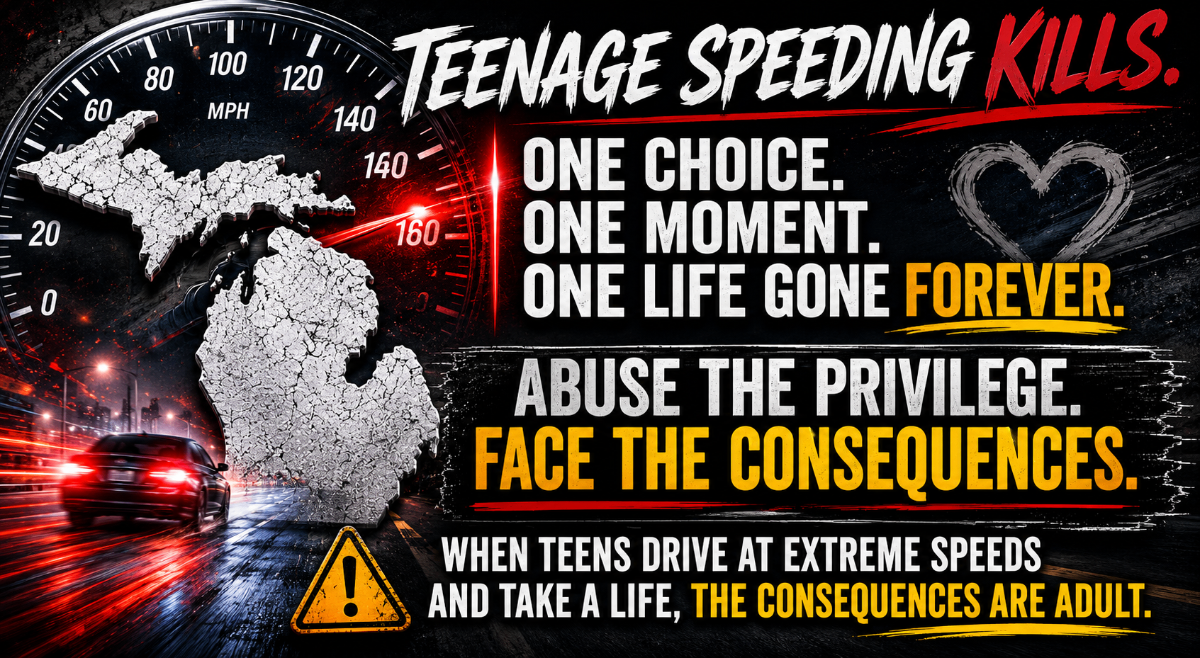
Presentation Materials
Slides and talking points for community presentations and school programs
Download Kit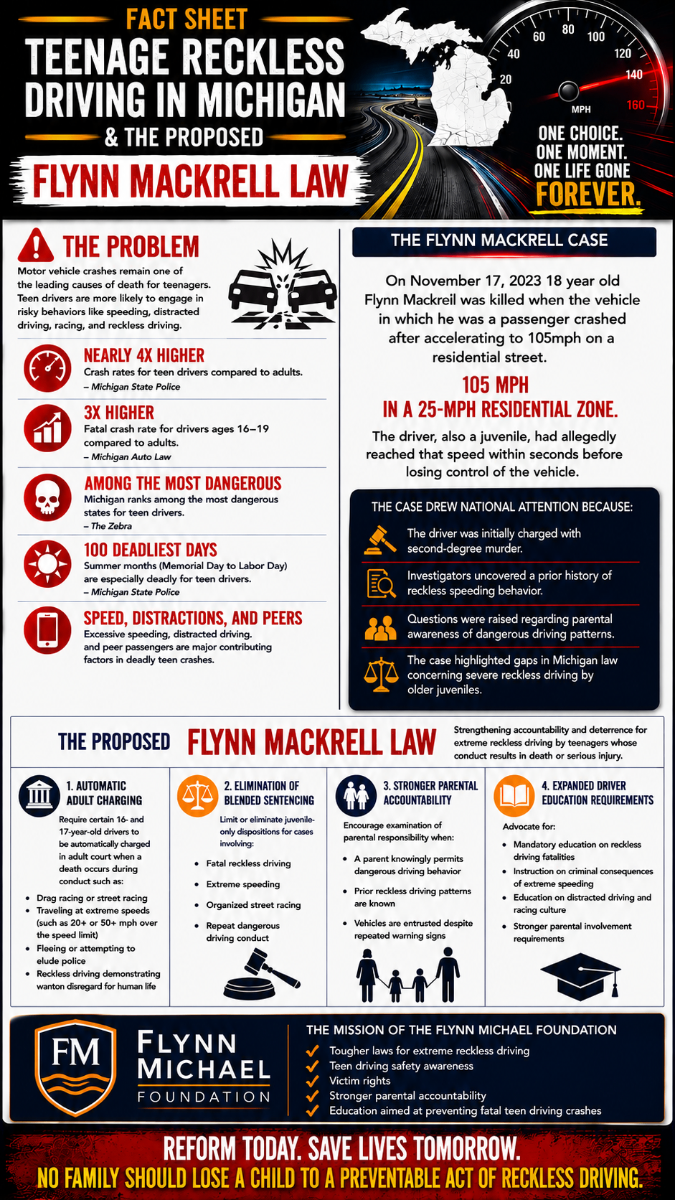
External Resources
Additional information and resources from trusted organizations:
Help Us Prevent the Next Tragedy
Every resource shared, every conversation started, and every action taken brings us closer to saving lives.